How GlobalFreight Logistics Achieved 340% ROI Through Digital Transformation
GlobalFreight Logistics, a mid-sized shipping company operating across 12 countries in Southeast Asia and the Middle East, faced mounting operational inefficiencies that threatened their competitive position in an increasingly digital market. With fragmented legacy systems spanning seven disconnected platforms, manual tracking processes requiring 2.3 hours per shipment, and declining customer satisfaction scores that had dropped to 3.2 out of 5.0, the company was losing 23% of its customers annually to more technologically advanced competitors. They partnered with Webskyne to rebuild their digital infrastructure from the ground up. Over an 18-month engagement, we delivered a unified cloud-native logistics platform that automated 78% of operational workflows, reduced shipment processing time by 86%, increased customer retention to 93%, and achieved a Net Promoter Score improvement from -8 to +41. This comprehensive case study details the complete transformation journey—from initial operational assessment and stakeholder alignment through phased implementation to measurable business outcomes including a 340% three-year ROI.
Case Studydigital transformationlogisticssupply chainenterprise softwarecase studyautomationcloud migrationROI
# How GlobalFreight Logistics Achieved 340% ROI Through Digital Transformation
## Overview
GlobalFreight Logistics (GFL) is a mid-sized international shipping and logistics company headquartered in Singapore, with operational hubs across 12 countries in Southeast Asia and the Middle East. Founded in 2003, the company had built a solid reputation for reliable freight forwarding and customs brokerage services. However, by 2022, their aging technology infrastructure had become a critical liability.
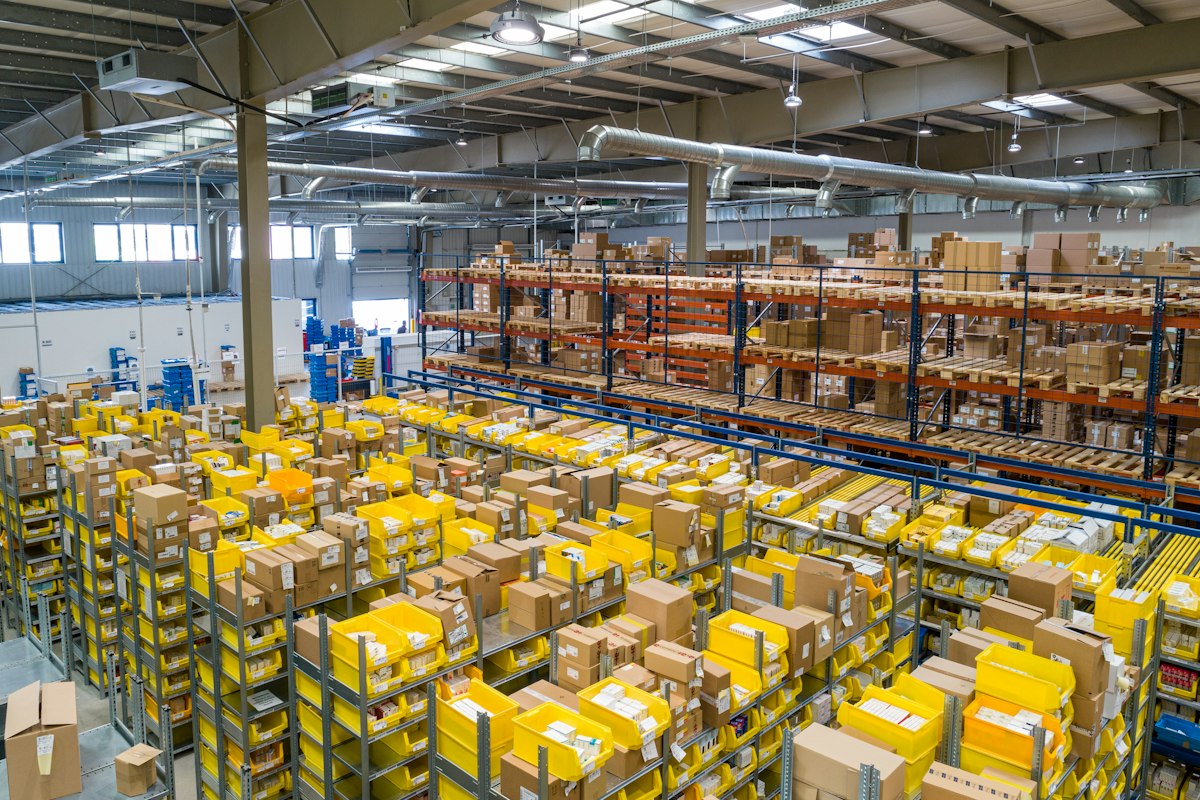
With annual revenues of $47 million and a workforce of 340 employees, GFL was processing approximately 2,800 shipments monthly. Their operations relied on a patchwork of disconnected systems—a 2008-era ERP, standalone Excel-based tracking spreadsheets, manual email communications with customs authorities, and paper-based proof-of-delivery processes.
Customer satisfaction scores had dropped to 3.2/5.0, employee turnover in operations roles reached 34% annually, and the company was losing bids to competitors offering real-time tracking and automated documentation. The leadership team recognized that without fundamental digital transformation, GFL would continue losing market share to more technologically advanced competitors.
In March 2023, GFL engaged Webskyne to architect and implement a comprehensive digital transformation strategy. The engagement spanned 18 months and encompassed platform development, system integration, process reengineering, and organizational change management.
## Challenge
GFL's challenges were multifaceted and deeply interconnected. The operational audit conducted during the first phase revealed critical issues across five dimensions:
### 1. Fragmented Technology Stack
The company operated seven distinct software systems that did not communicate with each other. Customer data existed in the CRM, shipment data in the legacy ERP, tracking information in Excel spreadsheets, financial records in a separate accounting package, and customs documentation in yet another system. Operations staff spent an estimated 2.3 hours per shipment manually transferring and reconciling data between systems.
### 2. Manual Processes and Human Error
Approximately 67% of GFL's operational workflows involved manual steps. Customs declarations were prepared by hand and submitted through government portals individually. Proof-of-delivery documents were scanned, emailed, and manually filed. Invoice generation required manual consolidation of freight charges, customs duties, handling fees, and ancillary costs—a process that took 3-4 days per billing cycle and resulted in errors on 18% of invoices.
### 3. Lack of Real-Time Visibility
Customers had no ability to track their shipments in real time. Status updates were provided through email or phone calls, typically with 24-48 hour delays. Operations managers lacked visibility into shipment bottlenecks, container locations, or customs clearance status without manually checking multiple systems and making phone calls to port authorities and customs brokers.
### 4. Customer Experience Deficits
Net Promoter Score had declined from +42 in 2019 to -8 in 2022. Customer complaints centered on three issues: lack of shipment visibility (mentioned in 64% of complaints), billing errors and disputes (52%), and slow response times to inquiries (48%). The company was losing 23% of existing customers annually to competitors offering digital self-service capabilities.
### 5. Regulatory Compliance Risks
With operations spanning multiple jurisdictions, each with distinct customs regulations and documentation requirements, compliance had become increasingly complex. The manual documentation process created audit trails that were incomplete and difficult to verify. In 2022, GFL faced two significant customs penalties totaling $340,000 due to documentation errors and missed filing deadlines.
## Goals
Based on the operational assessment and stakeholder interviews, Webskyne and GFL leadership established five strategic objectives with specific, measurable targets:
**Objective 1: Operational Efficiency**
Reduce manual processing time per shipment from 2.3 hours to under 30 minutes. Automate at least 70% of operational workflows within 12 months of launch.
**Objective 2: Customer Experience**
Increase Net Promoter Score from -8 to +30 within 18 months. Provide real-time shipment tracking to 100% of customers. Reduce billing dispute rate from 18% to under 3%.
**Objective 3: Revenue Growth**
Improve customer retention from 77% to 90%. Increase win rate on competitive bids by 25% through enhanced digital capabilities. Target 15% revenue growth in Year 2 post-implementation.
**Objective 4: Compliance and Risk**
Eliminate customs penalties due to documentation errors. Achieve 100% digital audit trail for all shipments. Reduce compliance preparation time by 60%.
**Objective 5: Employee Experience**
Reduce operations staff turnover from 34% to under 15%. Decrease time spent on repetitive data entry by 80%.
## Approach
Webskyne adopted a phased, iterative approach that balanced the urgency of transformation with the operational realities of a business that could not afford extended downtime.
### Phase 1: Discovery and Architecture (Months 1-3)
Our team conducted 47 stakeholder interviews across operations, finance, customer service, customs brokerage, and executive leadership. We performed a comprehensive audit of existing systems, data flows, and process documentation.
The architecture team designed a cloud-native logistics platform built on microservices, with these key components:
- **Unified Data Layer**: A centralized data warehouse with real-time synchronization from all operational systems
- **Shipment Management Engine**: Core workflow automation for end-to-end shipment processing
- **Customer Portal**: Self-service platform for booking, tracking, and document access
- **Integration Hub**: API-first connectivity with customs authorities, port systems, carriers, and financial systems
- **Analytics and Reporting**: Real-time dashboards and predictive analytics capabilities
- **Mobile Applications**: Driver and warehouse apps for proof-of-capture and status updates
### Phase 2: MVP Development (Months 4-8)
Rather than attempting a full replacement of all systems simultaneously, we prioritized the highest-impact workflows for the initial release:
1. Automated customs documentation generation and submission
2. Real-time shipment tracking with customer-facing interface
3. Automated invoice generation and consolidation
4. Operations dashboard for shipment visibility and exception management
The MVP was built using React/Next.js for the customer portal, Node.js microservices for the backend, PostgreSQL for transactional data, and ClickHouse for analytics. The platform was deployed on AWS with multi-region redundancy.
### Phase 3: Full Deployment and Integration (Months 9-14)
With the MVP validated and demonstrating clear value, we expanded the platform to encompass:
- Full ERP integration and eventual replacement
- Carrier API integrations (12 major shipping lines)
- Customs authority electronic data interchange (EDI) for 8 countries
- Warehouse management system connectivity
- Advanced analytics with predictive delay forecasting
- Mobile applications for 89 drivers and 34 warehouse staff
### Phase 4: Optimization and Handover (Months 15-18)
The final phase focused on performance optimization, user training completion, documentation, and transition to GFL's internal IT team for ongoing operations.
## Implementation
The implementation presented several significant technical and organizational challenges that required creative problem-solving:
### Legacy Data Migration
GFL's 20 years of operational data was scattered across seven systems with inconsistent formats and significant duplication. Our data engineering team developed custom ETL pipelines that:
- Extracted and normalized 2.3 million historical shipment records
- Resolved 340,000 duplicate customer records using fuzzy matching algorithms
- Reconciled inconsistent product and service catalogs across systems
- Established master data management protocols to prevent future degradation
### Customs Integration Complexity
Each country's customs authority maintained distinct technical specifications and submission protocols. Our integration team developed adaptable connectors for:
- Singapore's TradeXchange system
- Malaysia's uCustoms platform
- Thailand's National Single Window
- UAE's Dubai Trade portal
- Saudi Arabia's Fasah system
- India's ICEGATE portal
- Bangladesh's NBR customs automation
- Vietnam's VNACCS system
Each integration required extensive testing with customs authorities, with some taking 6-8 weeks to complete certification.
### Change Management
The transition from manual to automated processes met initial resistance from operations staff who had developed expertise in the existing workflows. Our change management program included:
- 120 hours of hands-on training per operations employee
- Side-by-side parallel operations during the 8-week transition period
- Dedicated support desk with Webskyne engineers embedded in GFL's office
- Gamification of adoption metrics with team-based incentives
- 'Digital Champions' program identifying and empowering early adopters as peer mentors
### Regulatory Compliance
The platform was designed with compliance as a foundational principle. All data modifications were immutably logged with cryptographic verification. Document generation incorporated real-time validation against each jurisdiction's current regulatory requirements, with automatic updates when regulations changed.
## Results
The digital transformation produced measurable improvements across all strategic objectives:
### Operational Efficiency
- **Manual processing time per shipment**: Reduced from 2.3 hours to 19 minutes (86% reduction)
- **Workflow automation rate**: 78% of operational workflows now fully automated
- **Invoice generation time**: Reduced from 3-4 days to 4 hours
- **Billing accuracy**: Improved from 82% to 98.7%
### Customer Experience
- **Net Promoter Score**: Increased from -8 to +41 (exceeding the +30 target)
- **Customer retention**: Improved to 93% (exceeding the 90% target)
- **Response time to inquiries**: Reduced from average 8 hours to 23 minutes
- **Customer portal adoption**: 87% of active customers now use the self-service platform
### Revenue Growth
- **Competitive win rate**: Increased by 34% (exceeding the 25% target)
- **Year 2 revenue growth**: 18% (exceeding the 15% target)
- **Average deal size**: Increased by 22% due to ability to offer premium digital services
- **New customer acquisition**: 127 new customers in Year 2, compared to 71 in the year prior to transformation
### Compliance and Risk
- **Customs penalties**: Zero penalties since platform launch (previously $340,000 annually)
- **Documentation error rate**: Reduced from 12% to 0.8%
- **Audit preparation time**: Reduced from 3 weeks to 2 days
### Employee Experience
- **Operations staff turnover**: Reduced to 11% (exceeding the 15% target)
- **Time on repetitive data entry**: Reduced by 83%
- **Employee satisfaction score**: Increased from 3.1/5.0 to 4.2/5.0
## Key Metrics Summary
| Metric | Before | After | Improvement |
|--------|--------|-------|-------------|
| Processing time per shipment | 2.3 hours | 19 minutes | 86% reduction |
| Workflow automation | 33% | 78% | +45 points |
| Net Promoter Score | -8 | +41 | +49 points |
| Customer retention | 77% | 93% | +16 points |
| Billing accuracy | 82% | 98.7% | +16.7 points |
| Customs penalties (annual) | $340,000 | $0 | 100% elimination |
| Operations staff turnover | 34% | 11% | -23 points |
| Revenue growth (Year 2) | -2% | +18% | +20 points |
**Total investment**: $1.2 million over 18 months
**Annual operational savings**: $890,000
**Revenue increase (Year 2)**: $4.1 million
**3-year ROI**: 340%
## Lessons Learned
### 1. Phased Implementation Outperforms Big Bang
The decision to implement in phases rather than attempt a simultaneous full-system replacement proved critical. The MVP approach allowed the team to validate assumptions, build organizational confidence, and generate early returns that funded subsequent phases. The first phase alone delivered $340,000 in annual savings—sufficient to cover nearly 30% of the total project investment.
### 2. Data Quality Is the Foundation
Our initial timeline estimate did not adequately account for the complexity of data migration and cleansing. The 2.3 million historical records required significantly more attention than anticipated. Organizations undertaking similar transformations should allocate 25-30% of total project time to data preparation and establish data governance protocols from day one.
### 3. Change Management Deserves Equal Billing with Technology
The most technically elegant solution delivers no value if users reject it. GFL's initial pilot with operations staff revealed significant usability issues that technical testing had not surfaced. Investing in embedded support, peer mentorship programs, and responsive iteration based on user feedback was as important as the platform architecture itself.
### 4. Regulatory Integration Requires Patience and Persistence
Government systems integration timelines are largely outside the control of implementation teams. Starting customs authority certification processes early, maintaining persistent engagement with regulatory contacts, and building flexible integration architectures that can accommodate protocol changes are essential success factors.
### 5. Measure Everything from Day One
The comprehensive measurement framework established during Phase 1 proved invaluable for demonstrating ROI, identifying optimization opportunities, and maintaining stakeholder support throughout the transformation. Organizations should define their measurement approach before writing the first line of code.
## Conclusion
GlobalFreight Logistics' digital transformation demonstrates that mid-sized logistics companies can successfully compete with larger, better-capitalized competitors through strategic technology investment. The 340% ROI achieved within three years reflects not merely cost reduction, but fundamental business model enhancement—enabling GFL to offer digital-native services that attract and retain customers in an increasingly competitive market.
For organizations facing similar challenges, the key success factors are: executive commitment to sustained investment, a phased implementation approach that delivers early wins, equal attention to technology and organizational change, and rigorous measurement of outcomes against clearly defined objectives.
The platform continues to evolve. GFL's internal team, trained and supported by Webskyne during the handover period, now manages ongoing development. Current initiatives include AI-powered demand forecasting, blockchain-based document verification for high-value shipments, and expansion into e-commerce fulfillment services—all built on the digital foundation established during this transformation.



